What is a Pain Medicine (or Pain Management)?
Pain medicine is a multidisciplinary team effort often involving the patient's primary care physician or other treating doctor, and specialists in radiology, psychiatry, psychology, oncology, nursing, physical therapy, complimentary alternative medicine, and other fields.
The goal of pain medicine is to manage acute or chronic pain by reducing pain frequency and intensity. Besides addressing pain issues, a multidisciplinary pain management program may address your functional goals for activities of daily living. Overall, a pain medicine program aims to give you a feeling of well-being, increase your level of activity (including return to work), and reduce or eliminate your reliance on medication.
Who is a pain medicine specialist ?
A pain medicine specialist is a medical or osteopathic doctor who treats pain caused by disease, disorder, or trauma. Although called pain medicine or interventional pain management specialists, many of these doctors are anaesthesiologists. The goal of pain medicine is to manage acute or chronic pain by reducing pain frequency and intensity. Besides addressing pain issues, a multidisciplinary pain management program may address your functional goals for activities of daily living. Overall, a pain medicine program aims to give you a feeling of well-being, increase your level of activity (including return to work), and reduce or eliminate your reliance on medication.
What does pain management involve?
Pain medicine involves diagnosing the cause or origin of pain. Making the proper diagnosis may involve obtaining an X-ray, CT scan, or MRI study to confirm the cause of your spine-related pain. When treating spine-related pain, other tests, such as discography, bone scans, nerve studies (electromyography, nerve conduction study), and myelography may be performed. The correct diagnosis is essential to a successful treatment plan!
What Disorders Do Pain Medicine (or Pain Management) Specialists Treat?
Pain medicine (or pain management) specialists treat all types of pain. Acute pain is described as severe or sharp sudden onset pain and may signal something is wrong. The pain experienced during dental work is an example of acute pain. Pain lasting 6 months or longer is defined as chronic. This type of pain varies from mild to severe and is consistent. Arthritis pain is often chronic. Although chronic pain is difficult to manage, combining different treatments often produces a good outcome.
Examples of different types of pain-causing spine problems include
- degenerative discs
- facet joint disease
- sciatica
- spinal stenosis
- spondylosis (spinal arthritis)
- spondylolisthesis
- vertebral and other spinal fractures and whiplash injuries.
What are the various ways of managing pain?
- Muscle relaxant
- NSAIDS
- Steroids
- Opioids
- Anti depressants
- Topical Local application ointments / gels
- Physical Therapy - Active physiotherapy / Passive physiotherapy.
- Heat and cold packs / fomentation
- Tens $ Ultrasound
- Spinal Injections
- Spinal Bracing
- Surgery
Muscle Relaxants in the Treatment of Acute Low Back Pain
The muscle relaxing properties of muscle relaxants arise not from direct activity at the muscular or neuromuscular junction level but rather from an inhibition of more central polysynaptic neuronal (nerve cells that end in synapses) events. Muscle relaxants are often prescribed in the treatment of acute low back pain in an attempt to improve the initial limitations in range of motion from muscle spasm and to interrupt the pain-spasm-pain cycle. Limiting muscle spasm and improving range of motion will prepare the patient for therapeutic exercise. Some commonly used muscle relaxants are
- Carisoprodol
- Tizanidine
- Chlorzoxazone
- Thiocholchicoside
- Tolperisone
- Baclofen
- Dantrolin
Role of NSAID
Non steroidal anti-inflammatory drugs are the main stay of conservative management of acute low back ache and are routinely used in pain management. Commonly used NADIDS are
- Diclofenac
- Paracetamol
- Ibuprofen
- Etoricoxib
- Etodolac
How do Topical Drugs Reduce Back and Neck Pain?
Spine-care physicians and pain specialists may recommend a topical pain-reliever to help relieve the symptoms of various back and neck disorders. For example, a topical medicine may be used to treat the pain associated with neck or low back strain, whiplash, muscle inflammation and spasms, and some types of nerve pain.
- Base (cream, ointment, gel, spray) makes application easy and controllable.
- Onset of symptom relief is usually faster than oral preparations.
- A smaller amount of medicine may be needed when applied in a topical form.
- Skin reactions are possible. Patients need to know what to do if an allergic or other reaction develops.
- Spinal disorders originating deep in the body do not respond well to topical therapy.
Corticosteroids in the Treatment of Acute Low Back Pain
As potent anti-inflammatory agents, oral steroids represent a theoretically useful agent in the treatment of patients with radiculopathy due to local inflammation secondary to disc injury or herniation. While many adverse effects are associated with oral steroid use, these are more frequently encountered in the setting of prolonged administration. The effectiveness of oral steroids in the acute low back pain population remains unproven.
Anti-depressant Medication Used to Treat Low Back Pain
Most commonly used antidepressant is Amitriptyllin which acts well in the settings of fibromyalgia, Rheumatoid arthritis, Ankylosing spondylitis and some non organic back pain syndromes.
Hot and Cold Therapies for Pain and Discomfort
Heat and ice are the two most common types of passive, non-invasive, and non-addictive therapies. Heat and cold can be used alternatively and are often used as a prelude to exercise therapy.
Hot and cold agents should always be used with caution. It is a good idea to seek the advice of a healthcare professional prior to use.
Physical Therapy: The McKenzie Method®
The McKenzie Method® is not merely extension exercises. In its truest sense, McKenzie is a comprehensive approach to the spine based on sound principles and fundamentals that, when understood and followed accordingly, are very successful. In fact, most remarkable, but least appreciated, is the McKenzie assessment process.
Assessment
Unique to the McKenzie Method® is a well-defined algorithm that leads to the simple classification of spinal-related disorders. It is based on a consistent "cause and effect" relationship between historical pain behavior as well as the pain response to repeated test movements, positions and activities during the assessment process.
A systematic progression of applied mechanical forces (the cause) utilizes pain response (the effect) to monitor changes in motion/function. The underlying disorder can then be quickly identified through objective findings for each individual patient. The McKenzie classification of spinal pain provides reproducible means of separating patients with apparently similar presentations into definable sub-groups (syndromes) to determine appropriate treatment.
McKenzie has named these three mechanical syndromes: Postural, Dysfunction, and Derangement.
- Postural: End-range stress of normal structures.
- Dysfunction: End-range stress of shortened structures.
- Derangement: Anatomical disruption or displacement within the motion segment (All three mechanical syndromes, postural, dysfunction, and derangement, occur in the cervical, thoracic, and lumbar regions of the spine.)
Each distinct syndrome is addressed according to its unique nature with mechanical procedures, utilizing movement, and positions. The Derangement syndrome where the phenomenon of "centralization" occurs is most common.
Well-trained McKenzie practitioners will be able to identify those more difficult cases where advanced McKenzie techniques might benefit the patient versus those patients whose diagnosis is non-mechanical in nature (those patients are then quickly referred for alternate care, thus avoiding unnecessary periods of inappropriate or expensive management).
Treatment
McKenzie treatment uniquely emphasizes education and active patient involvement in the management of their treatment in order to decrease pain quickly, and restore function and independence, minimizing the number of visits to the clinic. And if a problem is more complex, self-treatment may not be possible right away. However, a certified McKenzie clinician will know when to provide additional advanced hands-on techniques until the patient can successfully manage the prescribed skills on their own.
Ultimately, most patients can successfully treat themselves when provided the necessary knowledge and tools. An individualized self-treatment program tailored to the lifestyle of the patient puts the patient in control safely and effectively.
Preventive
Patients gain an experiential education learning to self-treat the present problem. The management of these skills and behaviors will minimize the risk of recurrence and allow patients to rapidly manage themselves when symptoms occur.
Massage Therapy
Massage is a popular therapy used to relieve muscle tension, spasms, inflammation, fluid retention, aches, stiffness, and pain. Other benefits include improved circulation (blood and lymph), general flexibility, range of motion, and increased tissue elasticity (e.g. scar tissue).
During treatment, the physical therapist may include localized massage (e.g. low back or neck) as a prelude to exercise. Massage increases circulation and warms muscles and other soft tissues (e.g. tendons, ligaments). Other types of massage include full-body massage, which often leaves the patient feeling relaxed and free of anxiety.
How does massage work to relax muscles?
As the therapist uses their hands or specialized tools to rhythmically knead, rub, and stroke (effluerage) muscles, circulation is stimulated. Blood flow delivers oxygen and nutrients, and is key to helping muscles eliminate waste products, such as lactic acid, that may collect in muscles from spasms causing pain.
Following trauma, muscles may act as mini-splints to protect and limit motion, similar to a cast on a broken arm. A typical example is a person who uses a computer for a prolonged time period without taking a break to stretch the neck. The result: stiff neck, aching, even pain. Taking periodic breaks to rub (mini-massage) and stretch the neck will promote circulation to the muscles.
What is Swedish massage?
This is the most popular form of massage used in North America. Often a lotion or oil is used to reduce skin friction. The therapist combines light stroking in one direction with deep pressure in another to relax muscles. The treatment expedites blood flow to flush lactic acid, uric acid, and other waste products from the muscles. Ligaments and tendons are stretched increasing their suppleness. Nerves are stimulated and relaxed, and stress is alleviated. The overall goal is to relax muscles.
What is deep tissue massage?
This technique targets chronic muscle tension. The therapist's strokes are slower, using more direct pressure and friction. Depending on the texture of the deeper layers of muscle and tissue felt, the therapist periodically adjusts their hand positions, strokes, and intensity to work the tissues to release tension.
What is myofascial release?
Myofascial release, or soft tissue mobilization, is a therapy used to release tension stored in the fascia. Fascia are sheets of fibrous tissue that encase and support muscles, separating them into groups and layers. Following trauma, the fascia and muscles may shorten restricting blood flow. The techniques used in myofascial release relax muscle tension and break up fascial adhesions.
What is trigger point and myotherapy?
Trigger points are tiny, tight nodules that form in muscles causing referred pain. Sometimes myofascial pain can be linked to one or more trigger points. The treatment goals include alleviating muscle spasms, improving circulation, and releasing trigger points. The therapist applies direct momentary pressure to a trigger point to cause its release. During the massage, the therapist may return several times to a stubborn trigger point to elicit its release.
As trigger points are released, the therapist stretches the muscle using a technique called Spray and Stretch. This technique incorporates a superficial cooling agent such as Fluori-Methane, a local anesthetic that depresses nerve response. The anesthetic is sprayed over muscles as they are gently stretched, soothing tight muscles.
Are there other types of massage?
There are many; only a few are mentioned here. Shiatsu is an old oriental therapy based on acupressure, as is Jin Shin Jyutsu. Reiki is a Japanese form of massage that seeks to adjust the body's energy. Rolfing can be uncomfortable; the goal is to adjust the muscle fascia to its fullest extension.
A word of caution
Before beginning any type of therapy or treatment, seek the advice of a physician. He or she may be able to refer you to licensed or certified massage therapist.
Ultrasound: A Common Treatment Used in Physical Therapy
Ultrasound is a passive modality: a supplement to the primary treatment (e.g. exercise). Passive modalities typically are used to relax the patient, as a distraction from pain, and/or to warm muscles for exercise.
 What is ultrasound?
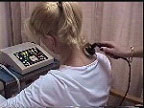
Ultrasound equipment generates high-frequency sound waves that are transferred to a specific body area via a round-headed probe. The sound waves travel deep into tissue (e.g. muscles), creating gentle heat.
The old version of today's ultrasound was termed short-wave diathermy. This is seldom used today.
How is treatment administered?
The physical therapist usually applies a hypoallergenic gel to the skin, which creates a friction-free surface. Using gentle, circular motions with the probe, the therapist administers the treatment, which lasts several minutes.
Ultrasound can also be used in phonophoresis. This treatment involves the application of a topical anti-inflammatory. The anti-inflammatory medication can be mixed with the ultrasound gel and applied to the area using the probe. The ultrasonic sound waves force the medication to migrate into the tissues reducing inflammation.
Does the treatment hurt?
No. The patient will feel a tingling sensation in the treated area.
How does the patient benefit from ultrasound?
As the probe glides over the skin's surface, sound waves penetrate the skin's surface causing soft tissues to vibrate, creating heat. In turn, the heat induces vasodilation: drawing blood into the target tissues. Increased blood flow delivers needed oxygen and nutrients, and removes cell wastes.
The heat helps relieve pain and inflammation, reduce muscle spasms, and accelerate healing. Depending on the treatment area, range of motion may be increased.
Transcutaneous Electrical Nerve Stimulation (TENS)
Transcutaneous electrical nerve stimulation is also known as TENS or TNS. It is a passive, non-invasive, non-addictive modality with no known side effects. TENS works to decrease pain perception and may be used to control acute and chronic pain. It may also be used with other treatments, such as exercise.
What is TENS?
Transcutaneous (through the skin) electrical nerve stimulation sends a painless electrical current to specific nerves. The current may be delivered intermittently. The mild electrical current generates heat to relieve stiffness, improve mobility, and relieve pain. The treatment is believed to stimulate the body's production of endorphins or natural pain killers.
How is the treatment administered?
The physical therapist applies electrode patches to the skin in the area to be treated. The mild current runs from the stationary stimulator through these patches.
TENS is also used to deliver topical steroid medication through the skin to treat acute episodes of pain. This treatment is called Iontophoresis. The mild current causes the medication to migrate into soft tissue serving to reduce inflammation.
Is the equipment portable?
The portable stimulator is a small battery-operated device that can be worn around the waist. The unit can be turned on or off as needed for pain control.
Although these units can be purchased or rented, a prescription from a physician is required. The physical therapist is often the person to teach the patient how to use the device, including proper placement of the electrodes for optimal benefits.
To ensure the patient will benefit from TENS, the portable device is used on a trial basis before the patient takes it home for long-term use. Unfortunately, TENS is not always an effective treatment.
Who should not use TENS?
Patients with pacemakers should avoid TENS because the electrical current could interfere with the operation of a pacemaker.



 Get in Touch
 Obabuji.com